


 1 Griffin Lane, Aylesbury, Buckinghamshire, HP19 8BP

Project Snapshot
Client: UK-based manufacturer of plastic agricultural components
Secondary Client: US-based company that acquired the UK manufacturing business
Sector: Manufacturing
Locations: Cambridge, UK to Minnesota, USA
Equipment Relocated: Arburg injection moulding machines with robotic pick-and-pack cells
Our Role: End-to-end international machinery relocation
Severe Winter Weather and Transatlantic Transport Challenges
The client, a Cambridge-based manufacturer of precision plastic components used on agricultural tractors, contacted Flegg Projects for an international machinery relocation following a buyout from a US-based company in Minnesota who wanted to bring production of spray and weed control systems in house.
The client approached us due to an established relationship and prior experience as we had originally installed the injection moulding machines on behalf of Arburg and were trusted to understand the equipment, its sensitivities, and the precision required to relocate and reinstall it correctly. As well as the injection moulding machines, we were also tasked with relocating integrated robotics and pick-and-pack automation.
In addition to the technical demands of the machinery, the project faced a number of significant challenges:
- International logistics and customs coordination
- Long-distance sea freight
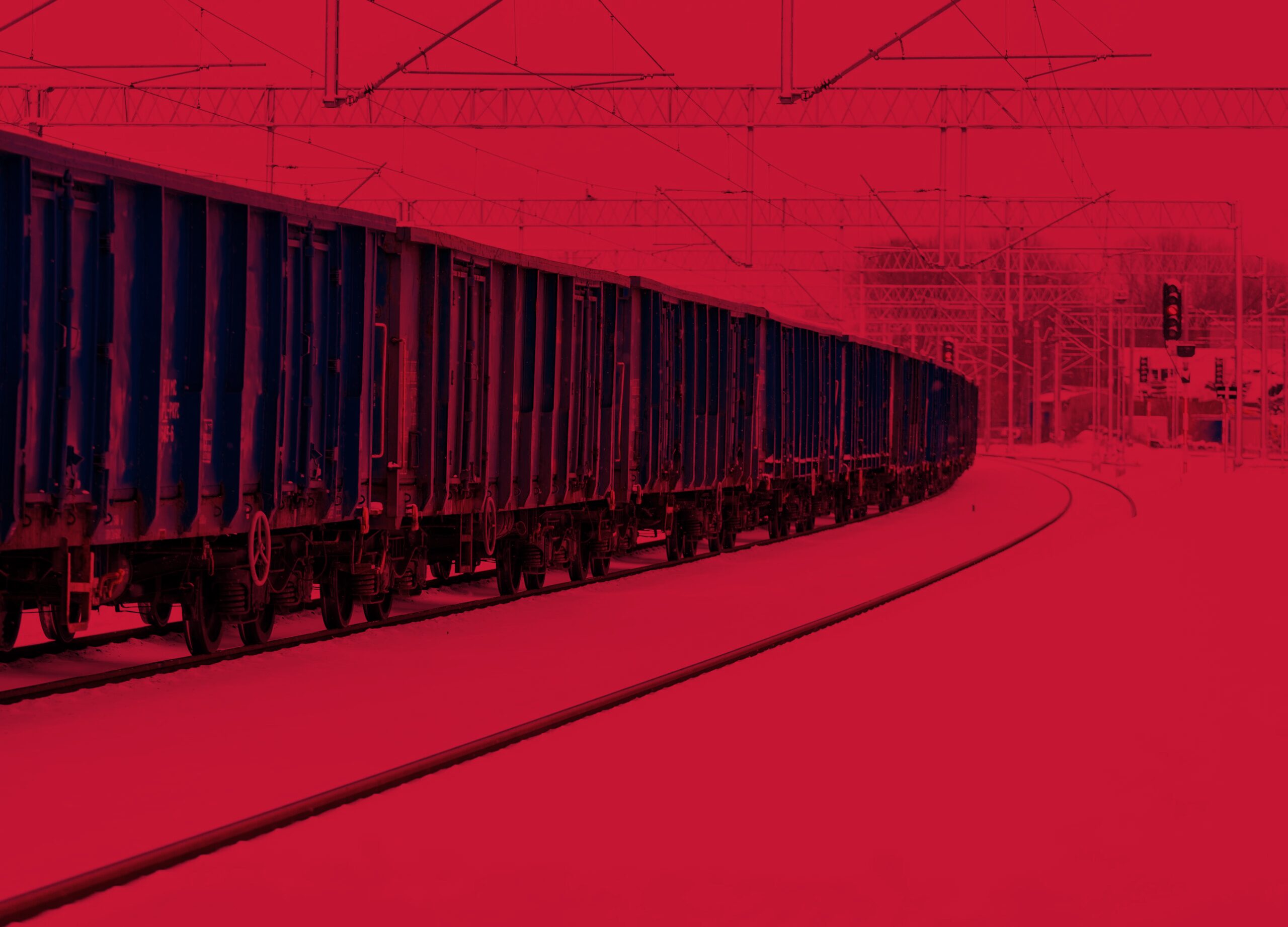
- Extreme winter conditions in Minnesota, with temperatures as low as –40°C resulting in a frozen rail hub that prevented offloading of equipment for three weeks
Despite these risks, the expectation remained that the equipment would arrive safely, be reinstalled correctly, and return to full operational status.
Our Solution: Going the Extra Mile to Deliver Fully Operational Assets Overseas
We took full responsibility for decommissioning the injection moulding machines and associated robotic equipment at the Cambridge facility. Each machine was carefully prepared for overseas transport and secured onto custom-built pallets using Hyster S7S and Hoist 25–35 forklifts.
To protect critical metal components from corrosion during transit, all machinery was foil-bagged to eliminate moisture ingress. The equipment was then shipped to the USA via sea freight, ensuring maximum protection throughout the journey.
Upon arrival in the United States, our engineers flew out to supervise the offloading process and oversee the transfer of the machinery onto a train bound for Minnesota.
However, on arrival at the Minnesota rail hub, extreme winter weather caused the train to freeze, making it impossible to offload the machinery. As a result, the equipment remained on the train for approximately three weeks until temperatures improved and conditions were safe.
During this period, our engineers returned to the UK while maintaining close communication with both the original client and the new US owner.